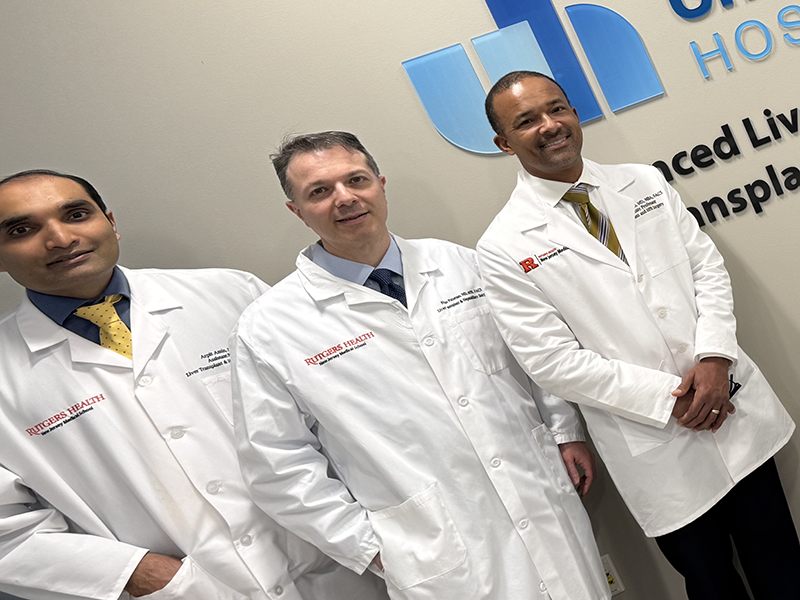
The Transplant and Hepatobiliary Surgery Division at Rutgers New Jersey Medical School (NJMS), in partnership with University Hospital, is one of the most established and successful transplant programs in the region.
Liver Transplant Program
Liver transplantation at University Hospital has been performed continuously since 1989. Our program encompasses:
- Comprehensive evaluation of transplant candidates
- Deceased donor liver transplantation
- Complex and redo liver transplantation
- Split liver transplantation
- Management of acute liver failure
- Multidisciplinary perioperative and long-term post-transplant care
Our outcomes consistently rank among the highest in the region. According to the Scientific Registry of Transplant Recipients (SRTR), our program has achieved outstanding one-year and three-year survival rates, reflecting our commitment to excellence in patient care and surgical innovation
Advanced Organ Preservation Technologies
To maximize liver function and improve patient results, our program may utilize the most advanced and state-of-the-art organ preservation and perfusion technologies, including both normothermic and hypothermic machine perfusion.
These cutting-edge preservation strategies enable real-time assessment of donor organ viability prior to transplantation, increase patient safety, outcomes and expedite patient recovery after transplant.
Hepatobiliary Surgery Program
Hepatobiliary surgery refers to the treatment of benign or malignant conditions affecting liver, gallbladder, bile ducts, pancreas. Our division provides advanced surgical care for complex diseases affecting these organs.
We manage both benign and malignant conditions, including:
- Hepatocellular carcinoma
- Liver adenomas, hemangiomas, cysts
- Liver metastases
- Cholangiocarcinoma
- Complex biliary strictures
- Gallbladder disease
- Benign and malignant pancreatic disorders
- Spleen disorders
Robotic and Minimally Invasive Hepatobiliary Surgery
We have developed a robotic hepatobiliary surgery program, integrating advanced minimally invasive techniques into major liver and pancreatic resections. Robotic surgery offers:
- Minimal surgical scars
- Enhanced surgical precision
- Reduced postoperative pain
- Shorter hospital stays
- Faster recovery
- Improved cosmetic outcomes
- Reduced complications
Our faculty are leaders in adopting innovative technologies to improve patient safety and surgical quality.
State-of-the-Art Clinical Facilities
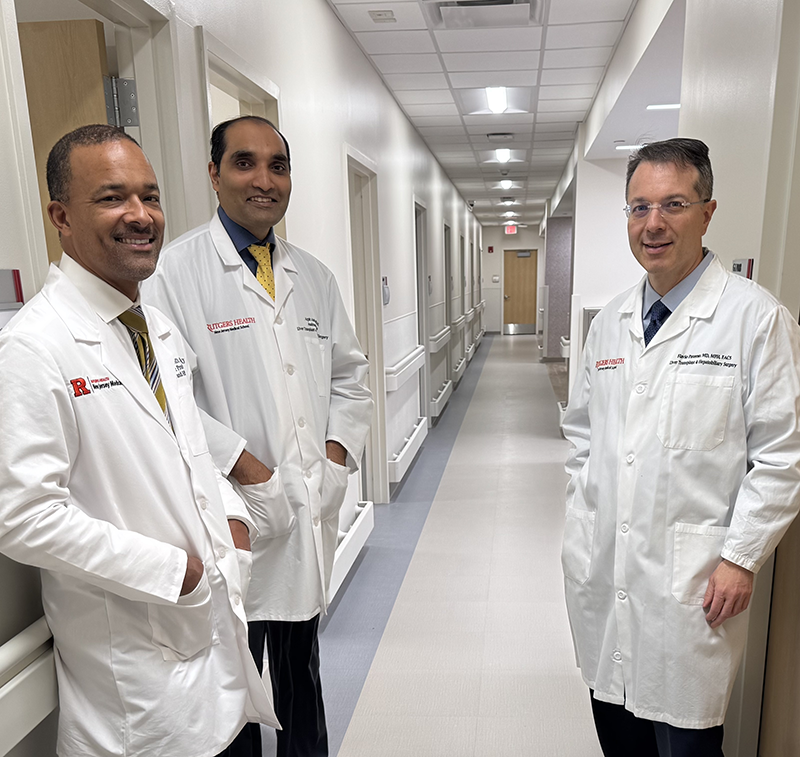
We are expanding our footprint with a new, modern clinical area designed to enhance patient comfort and streamline care delivery. The new clinic space includes:
- Expanded new outpatient consultation suites
- Dedicated transplant coordination offices
- Improved patient flow and privacy
- Comfortable waiting areas for patients and families
This investment reflects our commitment to providing a patient-centered environment that matches the clinical excellence of our program.
Comprehensive, Multidisciplinary Care
At our center, patients benefit from a highly collaborative, multidisciplinary team that maintains strong and communicative partnerships with gastroenterology, hepatology, and primary care practices throughout the community. This integrated approach ensures seamless coordination of care across the full spectrum of liver disease management.
Our multidisciplinary team includes:
- Surgeons
- Hepatologists
- Specialized anesthesiologists
- Interventional radiologists
- Advanced gastroenterologist
- Critical care specialists
- Specialized transplant coordinators, pharmacists, dietician, social workers, financial coordinators and dedicated nursing staff
From initial evaluation through surgery and long-term follow-up, we provide coordinated, compassionate, and patient-centered care tailored to the individual needs of each patient.
Serving New Jersey and the Tri-State Region
For more than 30 years, the Rutgers NJMS Transplant and Hepatobiliary Division has been a trusted referral center for patients with advanced liver disease and complex hepatobiliary conditions across New Jersey and the surrounding region.
Our mission remains clear:
To provide innovative, compassionate, and outcomes-driven care to every patient we serve.
Meet Our Faculty
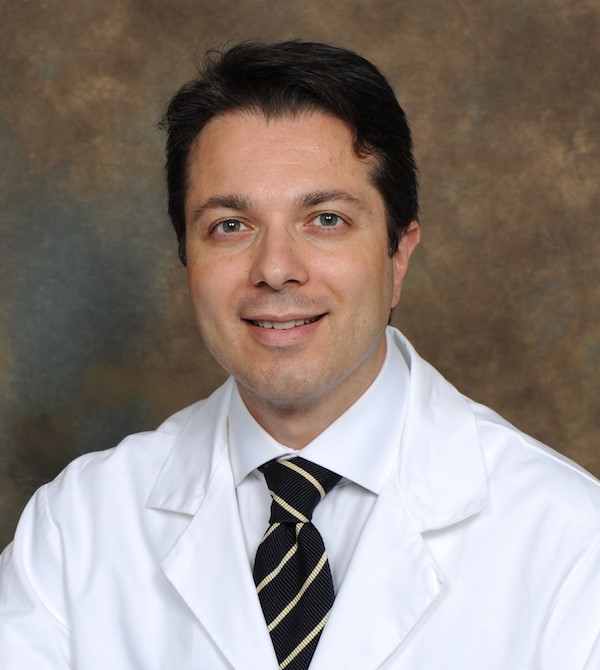
Associate Professor and Interim Division Chief
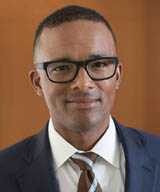
Associate Professor
For more information about the Liver Transplant Program at University Hospital, click “Liver Transplant”
For more information about General Organ Donation please see the UNOS website.